

Alcohol consumption causes feelings of euphoria and happiness due to the release of dopamine. Over time, your body starts craving increased levels of dopamine and this can cause alcohol addiction. The difficulties in a person’s recovery journey can make them stronger and more resolved to change. Choosing to engage with aftercare can play a large role in overcoming addiction. A “cure” for a disease is defined as a treatment that, once given, does not allow the disease to come back or affect a person anymore.
- A health care provider can look at the number, pattern, and severity of symptoms to see whether AUD is present and help you decide the best course of action.
- If you think you may have alcohol use disorder, you’re not alone.
- Alcohol use disorder (sometimes called alcoholism) is a common medical condition.
- We publish material that is researched, cited, edited and reviewed by licensed medical professionals.
- Alcoholism, an informal term used to describe an alcohol use disorder (AUD), can be successfully treated, but using the term “cured” can lead to misunderstanding.
Understanding Alcohol Abuse
If you’re struggling with alcohol use disorder, you can be successful with treatment. Alcoholism is a chronic condition, meaning the condition does not go away entirely after treatment. Further, it is a condition that can be managed but not cured. Management can take many forms, but the focus is on maintaining a sober life and preventing relapse. To avoid relapsing, there are many treatment options for alcoholics to https://ecosoberhouse.com/ find a personalized path toward a healthier and brighter future.
Like other chronic conditions, alcoholism needs ongoing management. With professional help and the right tools, long-term recovery is possible. If you or a loved one are struggling with addiction, there is hope for long-term healing.
- Start your recovery journey with peace of mind, knowing your care is covered.
- Ask different programs if they offer sliding-scale fees—some programs may offer lower prices or payment plans for individuals without health insurance.
- To maintain an alcohol-free life, relapse prevention planning must be focused on and should continuously evolve.
- Whilst there are ways to stop drinking, a quick fix or detox will not offer the foundation to recover.
- Core alcoholism treatment options are arranged, to offer a foundation of recovery.
- You have undoubtedly heard of alcohol support groups like Alcoholics Anonymous.
What is a typical day in rehab?
To make sure your treatment lasts, you must commit to serious lifestyle changes. Recovery isn’t just about removing a substance from your body. It’s about replacing the damaging habits with healthy ones, and building an entirely new life for yourself. Speaking with a therapist, going to group counseling sessions, and attending 12-step programs are important parts of recovery. You’ll learn about addiction itself, how to identify and address the underlying causes, and how to prevent relapse.
Recovery Isn’t One-Size-Fits-All
Our state-specific resource guides offer a comprehensive overview of drug and alcohol addiction treatment options available in your area. To treat and manage the greatest effects of alcohol addiction, rehabilitation will be worked through with a focus on therapy. To treat alcohol use disorders, the mind must be evaluated, supported, and nurtured. It is generally accepted that a comprehensive programme of recovery needs to incorporate detox, rehabilitation, and aftercare. Partial hospitalization programs (PHPs) are outpatient programs that function much like inpatient programs but without the residential requirement.

Disulfiram discourages drinking by making the person taking it feel sick after drinking alcohol. When all is said and done, there is drug addiction treatment no medical cure for alcoholism. However, there is recovery facilitated by professional treatment that includes detox, counselling, prescription medications, and aftercare. If you or a loved one is suffering from alcoholism, there is no need to wait to seek treatment.
Groups for Family and Friends
In the moment it can positively reinforce feel-good chemicals and can place the mind into a false sense of security. The majority of medical professionals believe that alcoholism must be addressed using therapy and a solid support system. When suffering from alcoholism, you’re unable to stop despite the social, occupational, and health effects that come with this chronic condition. You have undoubtedly heard of alcohol support groups like Alcoholics Anonymous. Please know there are similar organisations known as mutual support groups. They work with recovering alcoholics and their families simultaneously.
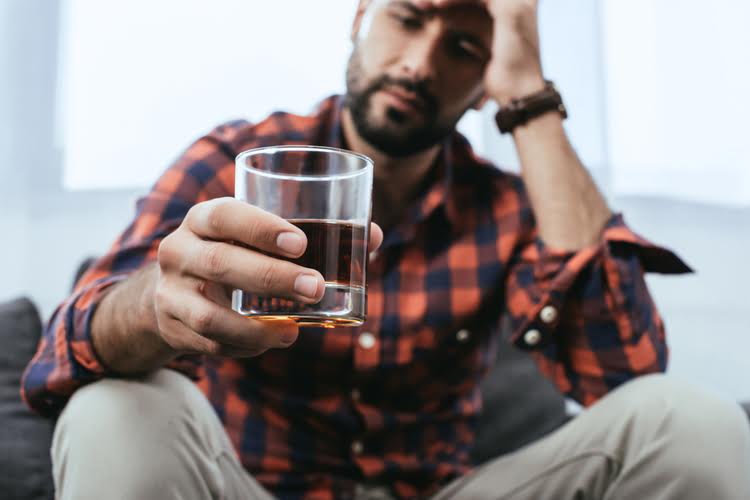
- A re-occurring disorder is a condition or a set of symptoms that cannot be cured but can be treated and managed for the long term.
- Supporting loved ones with alcohol addiction is crucial in the recovery process.
- The issue was that no matter how long I managed to stay sober – and frankly it was never for very long – I wanted to keep drinking.
- Physically, alcohol can damage the liver, the organ responsible for breaking down alcohol and clearing it from the body.
Addiction can be overcome with a variety of help after a formal treatment program. Alcohol addiction impacts our mental, physical, and psychological health and relationships. These are the key signs that someone is likely to develop a substance use disorder. Cassiobury Court is a beautiful, homely residential facility, situated in a charming residential area and set within lush grounds, offering a really relaxed and peaceful environment.
Symptoms of AWS are often treated with sedatives called benzodiazepines. The most prescribed benzodiazepine is chlordiazepoxide, which is only available as a generic in the United States. If you need help finding a primary care doctor, then check out our FindCare tool here. Our can alcoholism be cured Find a Provider tool makes it easy to search Cleveland Clinic’s trusted network.
Quitting Alcohol and Withdrawal Symptoms
Many people enter permanent recovery and live long and happy lives. About 70% of alcoholics who enter treatment and stay sober for at least a year remain sober for the rest of their lives. But if you have an addiction, you need to remember that it is always possible to relapse.